
Preparing for the Merge – Part Two
Winning the Contest Before the Contest Begins

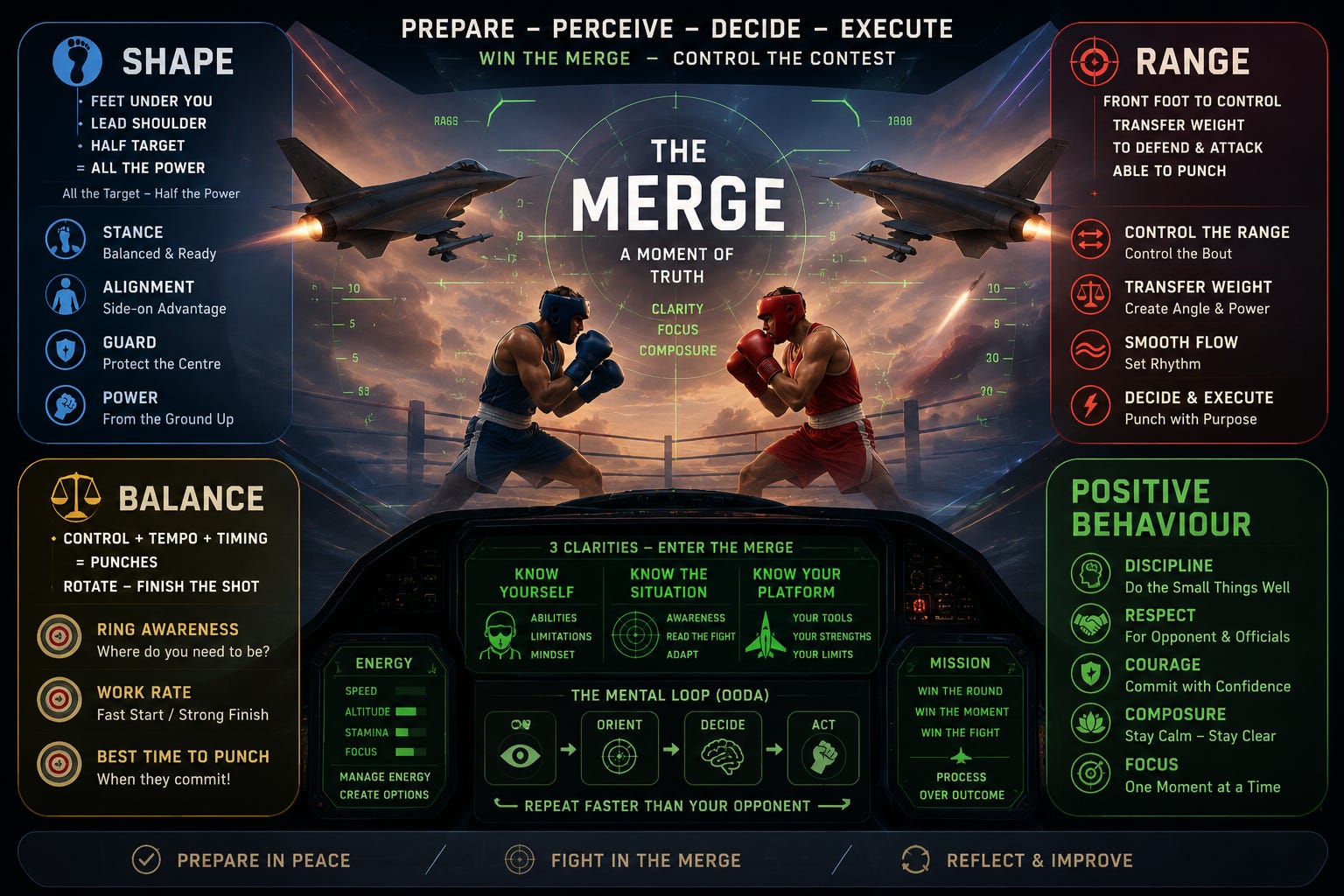
"Every pilot enters the merge carrying three things: an understanding of themselves, an understanding of the adversary, and an understanding of the environment in which they are about to fight."
When I shared my first article on The Merge, a colleague from cricket sent me a message that made me stop and smile.
He simply said, "You've just described batting and bowling."
It was one of those moments where someone else's perspective changes your own. I had been writing about fighter pilots, dogfighting and Olympic boxing, yet without realising it I had described exactly what happens every ball in a game of cricket.
That, perhaps, is one of the joys of coaching.
If we change the language, we often uncover principles that were there all along.
Maybe this isn't an article about fighter pilots.
Maybe it isn't really about boxing either.
Perhaps it is simply about performance under pressure.
The Three Intelligence Sources
In the first article I suggested that elite fighter pilots enter the merge with three forms of clarity:
Know yourself.
Know your machine.
Know the situation.
After reflecting on conversations with coaches across cricket, boxing, canoeing and football, I think there is an even more useful way of framing it for coaches.
Every performer needs to build three forms of intelligence.
1. Self Intelligence
What are you genuinely capable of?
Not what you hope you can do.
Not what social media says you can do.
What can you consistently execute under pressure?
For a batter, this might be knowing that the pull shot is a genuine strength, while the reverse sweep remains a work in progress.
For a fast bowler, it might be recognising that the wobble seam and short ball are reliable weapons, while the inswinging yorker still needs another six months of development.
Elite performers know what sits inside their current armoury.
They don't guess.
They know.
One of the greatest mistakes performers make is introducing new weapons during battle.
Pilots don't test experimental manoeuvres in combat.
Athletes shouldn't test experimental techniques in Olympic finals.
Training is where you expand your capability.
Competition is where you trust it.
2. Opposition Intelligence
Knowing yourself is only half the equation.
Great competitors also study the person standing opposite them.
Every opponent brings strengths.
Every opponent carries vulnerabilities.
A boxer may struggle against pressure.
A batter may dislike short-pitched bowling.
A bowler may become predictable after three overs.
An opponent may always step left when under pressure.
This isn't about fear.
It is about curiosity.
Military aviation calls it threat assessment.
Sport calls it analysis.
The principle is identical.
Understand who is trying to beat you.
3. Context Intelligence
This may be the intelligence coaches underestimate most.
Performance never happens in isolation.
A batter isn't simply facing a bowler.
They're facing:
the condition of the pitch
the state of the match
the scoreboard
the field placements
the weather
the ball
the pressure of the occasion
the partnership at the other end
Everything influences decision-making.
The same exists in boxing.
Are you ahead on points?
Is there thirty seconds left?
Have you just received a standing count?
Is your opponent tiring?
Has the referee begun warning for holding?
Context constantly changes.
Good performers execute skills.
Great performers adapt their skills to the context.
The Flight Envelope
Military aviation has another phrase that deserves a place in coaching.
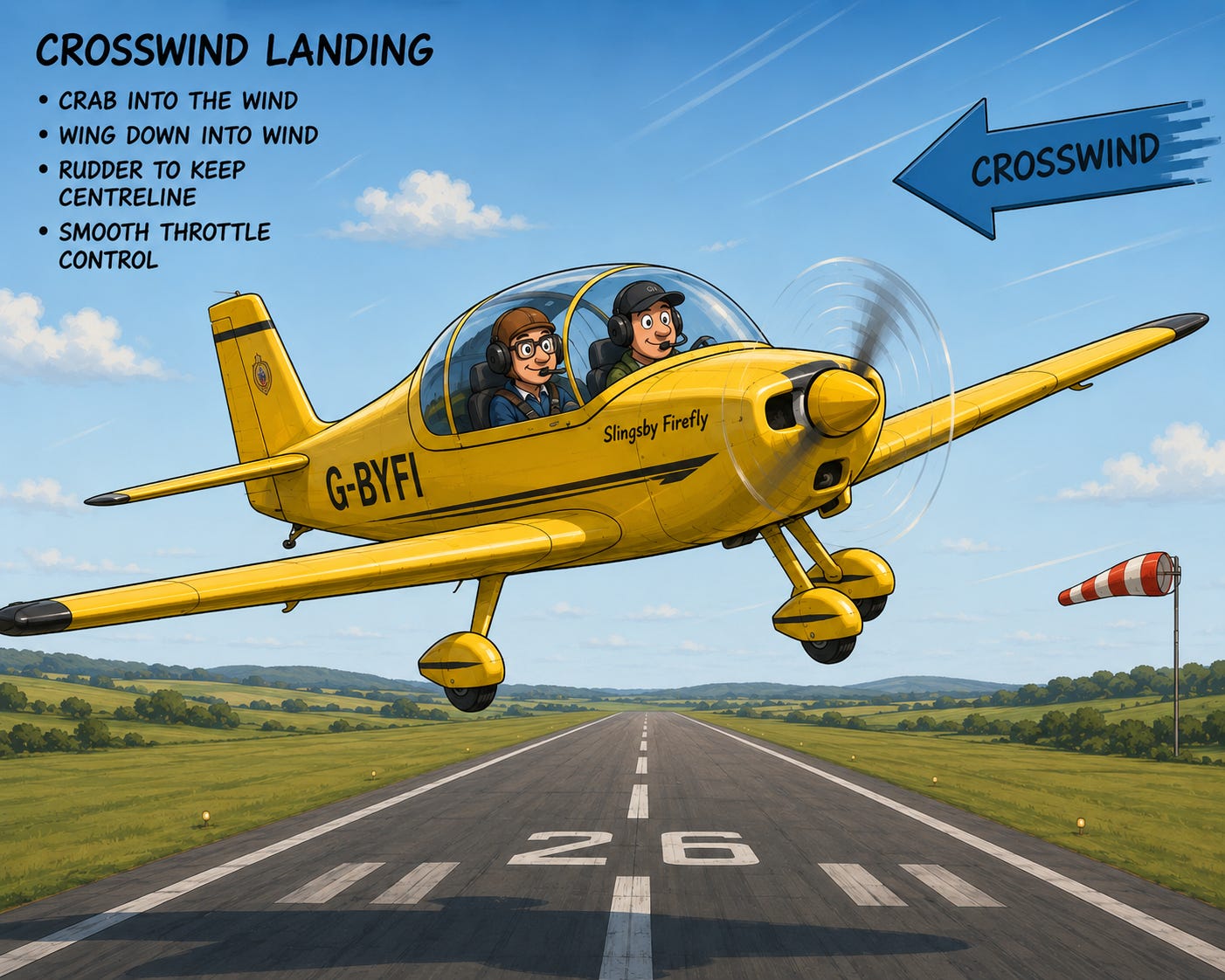
Every aircraft has a flight envelope.
This defines the aircraft's operational capability.
Maximum speed.
Minimum speed.
Maximum altitude.
Turning performance.
Fuel endurance.
Structural limits.
Push beyond the envelope and eventually physics wins.
The same applies to human performance.
Every athlete has a current performance envelope.
Every coach has one too.
The challenge isn't pretending limits don't exist.
It is understanding them well enough to expand them.
High performance isn't about denying limitations.
It is about stretching them intelligently.
The best athletes gradually push the edge of their envelope.
The worst ignore it altogether.
What Is Your Superiority?
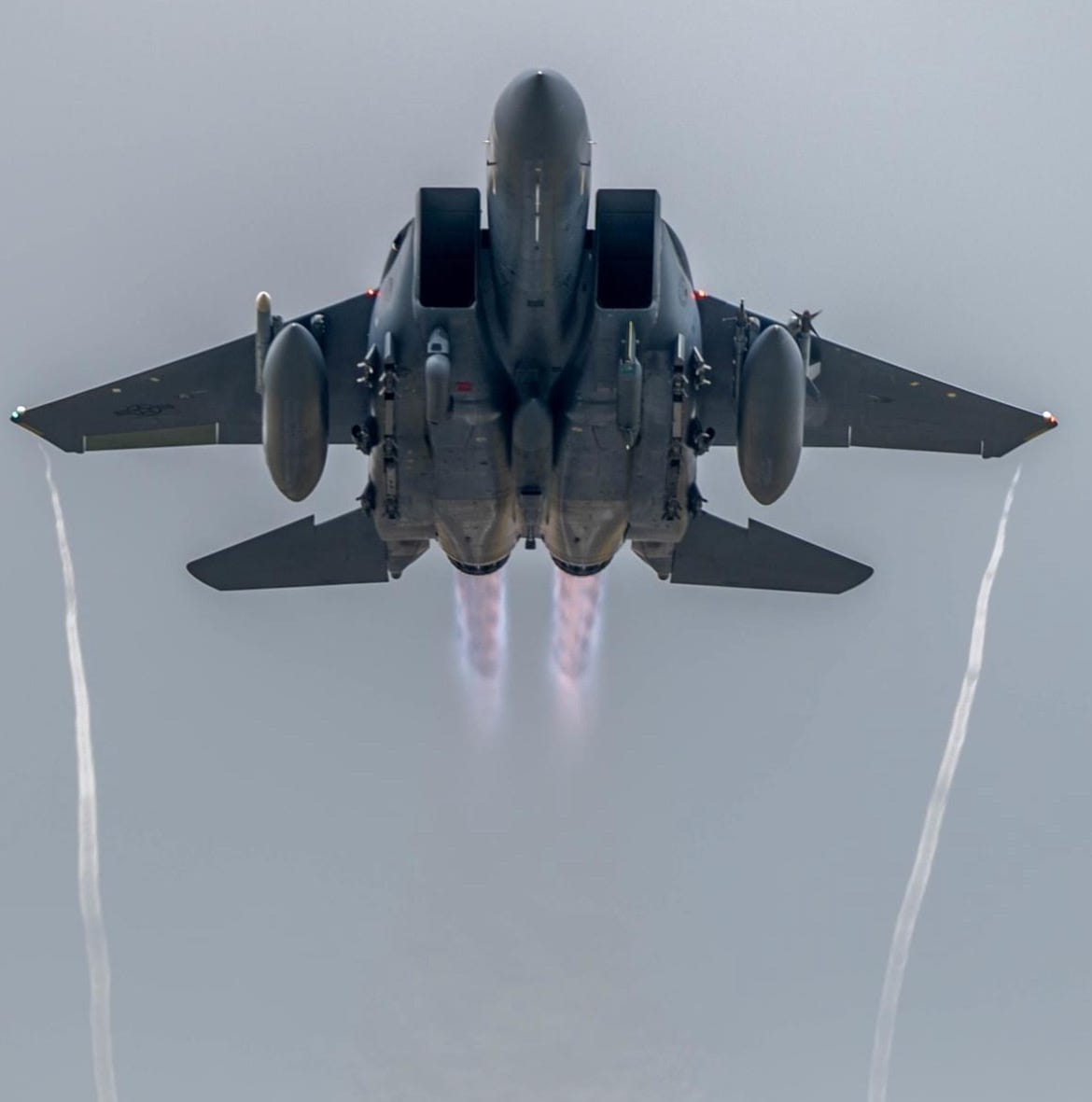
During the 1960s the United States introduced an aircraft that changed air combat forever.
The F-15 Eagle was built with one objective.
Air superiority.
Its job wasn't simply to survive.
Its purpose was to dominate the skies.
That made me wonder.
If every athlete possessed their own version of air superiority, what would it be?
What is the quality that makes opponents uncomfortable?
What is the characteristic that changes contests?
Perhaps it is extraordinary footwork.
Perhaps it is tactical intelligence.
Perhaps it is emotional composure.
Perhaps it is relentless fitness.
Perhaps it is the ability to recover after mistakes.
Every great performer develops something that becomes their competitive advantage.
Not their ego.
Their edge.
The role of coaching is helping performers discover, strengthen and apply that edge at precisely the right moments.
Seeing First
One phrase appears repeatedly in combat aviation.
"The aircraft that shoots you down is often the one you never saw."
That sentence extends far beyond flying.
Many batters describe dismissals in similar language.
"The one that got me..."
"I never really saw it."
"I picked it up too late."
Performance often depends upon perception.
Not merely eyesight.
Awareness.
What did you notice?
What didn't you notice?
Elite performers continually improve the quality of their observation.
They recognise patterns.
They anticipate possibilities.
They identify danger before it arrives.
This is why the idea of a coaching Heads-Up Display fascinates me.
Modern fighter pilots don't stare inside the cockpit.
Critical information is projected into their field of vision.
Altitude.
Speed.
Target.
Threat.
Fuel.
Everything needed to make effective decisions appears at the moment it matters.
Perhaps coaching should work similarly.
Rather than overwhelming athletes with information, perhaps our role is helping them see what matters most.
Not more information.
Better information.
You Never Compete Alone
Perhaps the greatest myth within high-performance sport is individualism.
Even supposedly individual sports are deeply collective.
A boxer has a corner.
A tennis player has a coach.
A golfer has a caddie.
A canoe athlete has a performance team.
A batter has a partner at the other end.
A bowler has fielders.
A fighter pilot has wingmen.
Military aviation understood something long before sport began discussing psychological safety and high-performing teams.
You never fly alone.
Wingmen extend awareness.
Provide protection.
Challenge poor decisions.
Create opportunities.
Cover blind spots.
Perhaps this is what exceptional coaching really is.
Not taking control.
Being the trusted wingman.
Standing close enough to increase awareness without taking away responsibility.
Helping performers see what they cannot yet see themselves.
Changing the Language
One lesson has become increasingly clear to me.
Sometimes coaches don't need new knowledge.
They need new language.
A fighter pilot talks about the merge.
A boxer talks about controlling the range.
A cricketer talks about winning the contest between bat and ball.
A sailor talks about reading the wind.
A canoeist talks about feeling the water.
Different words.
Exactly the same principles.
Know yourself.
Know your opponent.
Know the context.
Protect your strengths.
Understand your limits.
Expand your envelope.
See first.
Decide quickly.
Trust your preparation.
Perhaps the greatest coach developers are not those who create entirely new ideas, but those who become translators—people who can take wisdom from one performance environment and help it make sense in another.
Final Reflection
The more sports I observe, the more convinced I become that high performance is a shared language spoken with different accents.
Whether you are sitting in the cockpit of a fighter aircraft, standing in the boxing ring, marking out your run-up with a cricket ball in hand, or taking guard as an opening batter, the challenge is remarkably similar.
Can you understand yourself honestly?
Can you understand the person trying to beat you?
Can you understand the environment in which the contest is unfolding?
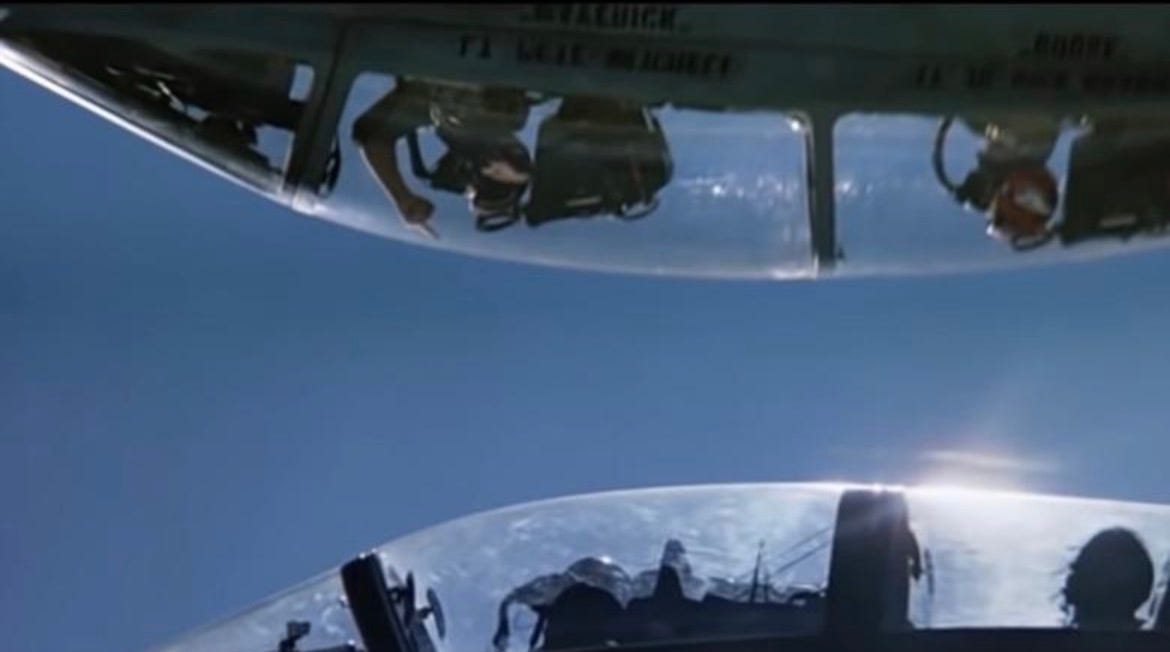
Those three questions shape every decision that follows.
Perhaps coaching is less about producing technically perfect performers and more about developing people who can read the moment before acting within it.
Because in every sport, sooner or later, the contest begins.
The merge happens.
The first punch is thrown.
The first ball leaves the bowler's hand.
The first move is made.
And in that instant, preparation gives way to performance.
The athlete who succeeds is rarely the one who knows the most.
It is the one who understands themselves, understands the contest, and has learned to see what others miss.
That may be the most transferable lesson of all.