
The Games We Play
What Chess and Poker Can Teach Us About the Inner Game of Performance

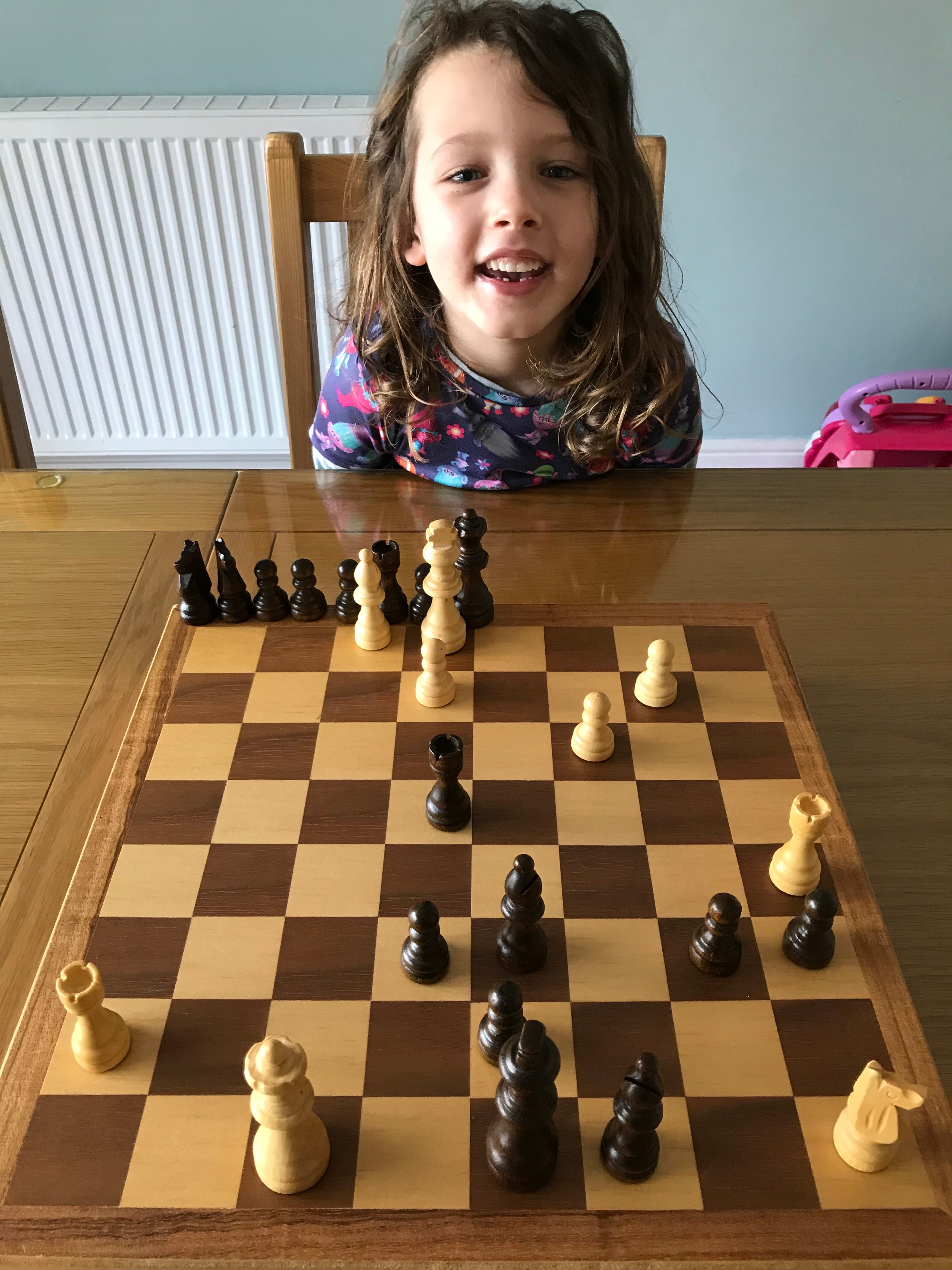
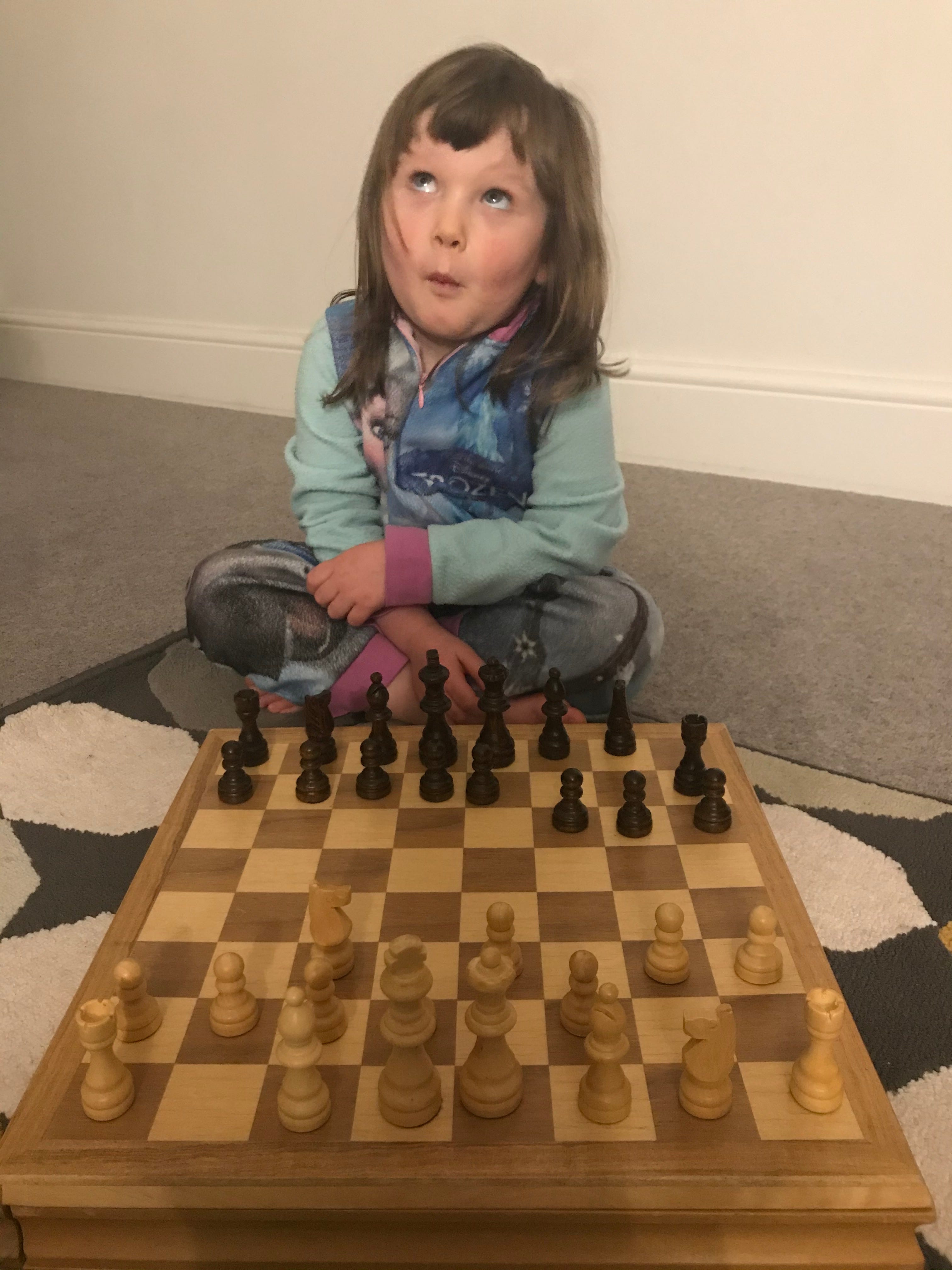
Over the past couple of years, I have rediscovered chess through an unlikely source—my two daughters. Like many parents, I initially assumed experience would eventually prevail. I had played before, understood the rules and expected familiarity to carry me through. It didn't. Before long Erin was beating me consistently, not because I was making obvious mistakes, but because she had begun to think differently. She wasn't simply responding to my last move; she was anticipating my next few moves before I had even considered them myself. Sophie soon followed the same path, and watching them develop reminded me that chess is not really about moving pieces around a board. It is about seeing possibilities before they emerge.
Around the same time, I remembered a conversation I had many years ago with a colleague, Chris Connolly. He spoke about someone who used poker as a metaphor for leadership, decision-making and performance. We never followed up the conversation, but the idea lingered. More recently we started playing poker at home as a family, and it struck me that while poker and chess appear to be very different games, they are both remarkable teachers of performance. They simply develop different aspects of it.
Chess teaches you to think strategically. Poker teaches you to understand people.
The more I reflected on these games, the more I began to wonder whether every coach, athlete and leader is already playing both, whether they realise it or not.
High-performance sport often focuses on the obvious contest. We analyse races, matches, technical execution, tactics and physical preparation. Yet alongside every visible competition sits another competition that receives far less attention. Every performance environment contains an invisible game made up of relationships, influence, perception, trust, timing and decision-making. This is the inner game of organisations, and it can be just as influential as anything that happens on the field of play.
Chess offers a useful lens because every move creates a series of future possibilities. Good players are not reacting to the present; they are shaping the future. Every decision involves trade-offs, sacrifices and calculated risks. Sometimes losing a piece is necessary to gain a stronger position later in the game. Sometimes patience is more valuable than immediate action. The strongest players develop an ability to think several moves ahead while remaining adaptable when the unexpected happens.
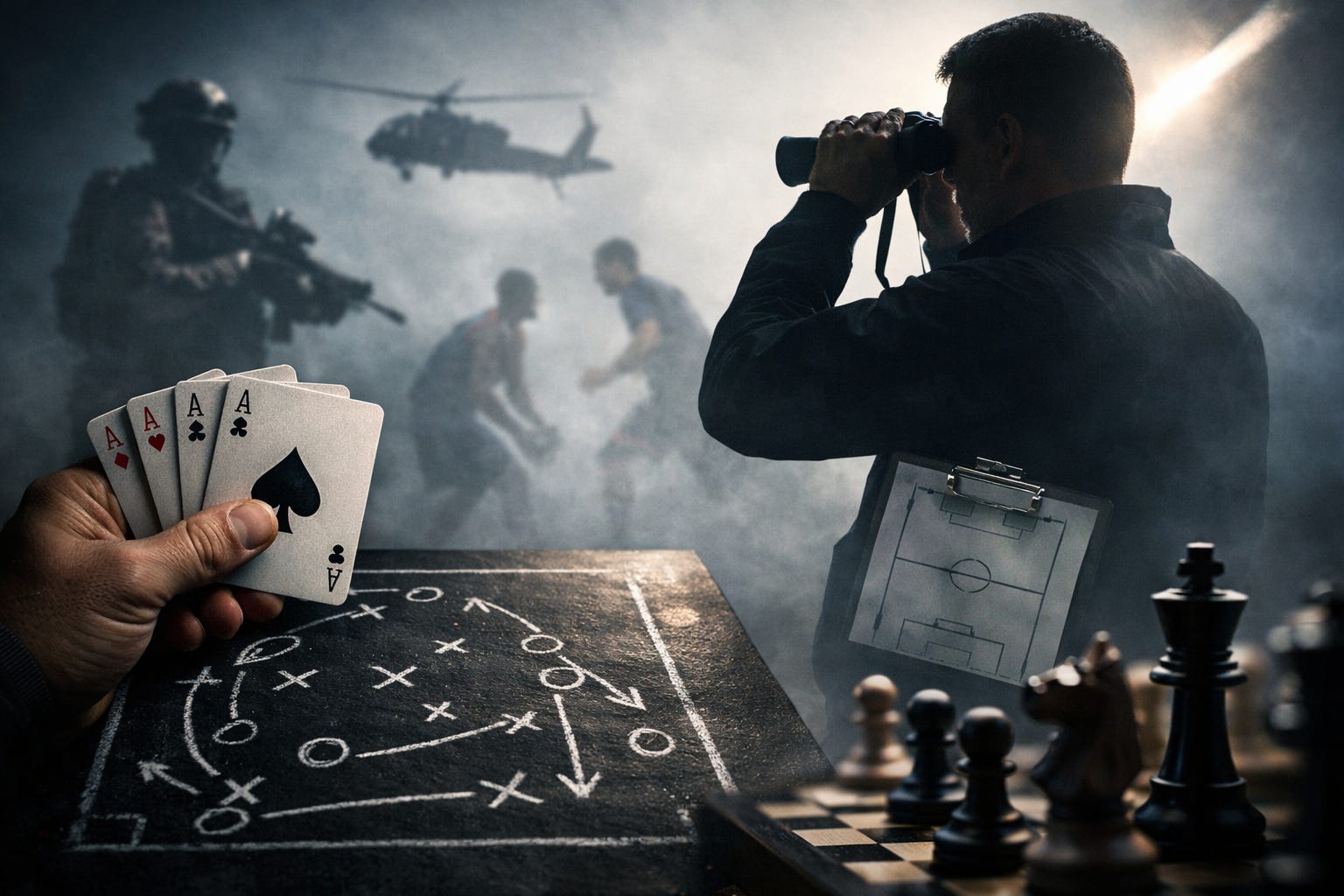
Performance planning often requires exactly the same mindset. Coaches regularly ask athletes, "What is your next action?" Perhaps an equally valuable question is, "What do you think your opponent wants you to do?" That subtle shift moves the conversation from reacting to anticipating. Instead of focusing solely on your own actions, you begin to understand the intentions of others. High performers are rarely surprised because they spend more time considering possibilities before they become realities.
Poker, however, presents a different challenge altogether. The cards matter, but they are rarely the whole story. Two players can hold identical hands and achieve completely different outcomes because poker is fundamentally about reading people. It requires observation, emotional control and an appreciation that behaviour often communicates more than words. Success depends upon recognising patterns, interpreting uncertainty and understanding that not everything people present is necessarily what they are experiencing.
The parallels with coaching are difficult to ignore. Coaches often believe they are observing performance, yet much of what they are really observing is human behaviour. Confidence, anxiety, frustration, motivation and self-belief all influence what eventually appears as performance. The technical challenge may be visible, but the psychological landscape beneath it is frequently hidden. Like poker, effective coaching requires an ability to read beyond the obvious.
This raises another fascinating question. Do we play the game, or do we play the person in front of us?
Elite performers often understand that both matter. They recognise systems while simultaneously recognising individuals. Some athletes respond positively to direct challenge, while others flourish through reassurance. Some colleagues value certainty, while others are energised by exploration. Some organisations genuinely reward innovation, while others quietly reward conformity despite what is written in strategy documents. Learning to distinguish between the stated culture and the lived culture is one of leadership's most valuable skills.
One of my favourite lines comes from the film Ice Station Zebra, where a character remarks that spying is rather like playing poker: you know most of your opponent's cards, but you always keep an ace up your sleeve. Whether or not that accurately reflects intelligence work is almost irrelevant. As a metaphor for leadership it is remarkably powerful.
Not every idea needs to be announced the moment it is formed. Not every strategy benefits from immediate exposure. There are moments when restraint, patience and thoughtful timing become signs of wisdom rather than secrecy. Effective leaders are not manipulative; they are intentional. They understand that communication is not simply about saying everything they know but about knowing what is most useful, when it is most useful and for whom.
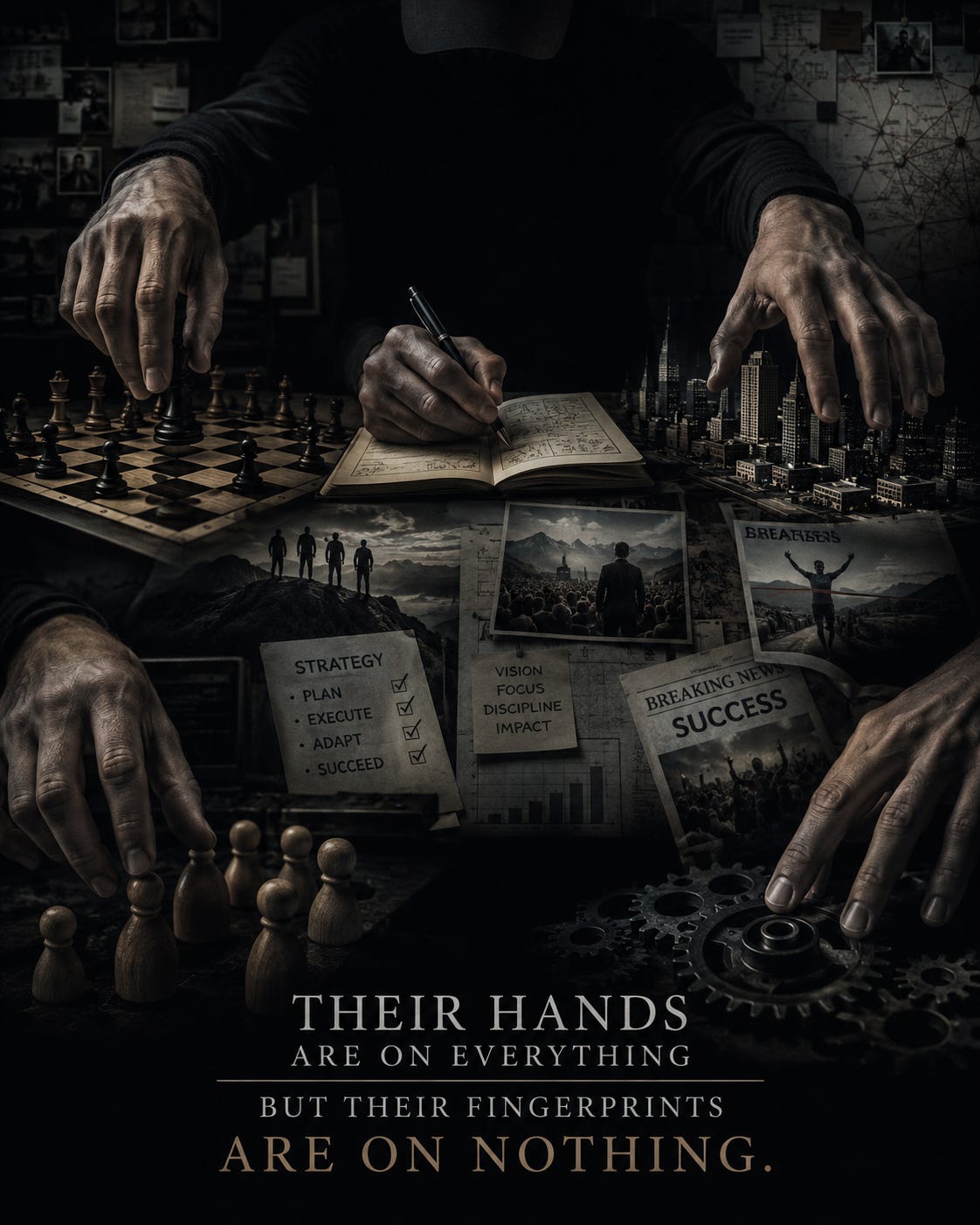
Perhaps nowhere is this more apparent than within careers themselves. I have often observed individuals who have spent fifteen or even twenty years within the same organisation. During that time they may have experienced multiple restructures, changing leadership teams, shifting organisational priorities and countless cultural changes. Yet they continue to progress. They adapt, they survive and often they thrive.
It is tempting to assume this is simply good fortune, but I suspect there is something more subtle taking place. They have learned the inner game of organisational life. They know when to push and when to wait. They understand which battles deserve their energy and which are better left alone. They appreciate the importance of relationships alongside technical competence. They have learned to navigate complexity without losing sight of who they are.
This is where conversations about values sometimes become uncomfortable. As coaches we rightly speak about trust, purpose, authenticity and psychological safety. These are important ideals that should shape every high-performing environment. Yet they do not remove the reality that organisations remain human systems. We work alongside people we naturally connect with and people we find challenging. We compete for opportunities, funding, promotions and influence. Careers are built within these realities rather than outside them.
Recognising this does not mean becoming cynical. Nor does it justify manipulation or political gamesmanship. Instead, it asks something more mature of us. It asks us to become socially intelligent. To understand context. To appreciate that decisions have second- and third-order consequences. To recognise that technical expertise alone rarely explains why people succeed or fail over the course of a long career.
Perhaps this is the distinction that matters most. There is a significant difference between strategy and manipulation. Strategy seeks understanding; manipulation seeks advantage at the expense of others. Ethical leadership requires the first while resisting the second. Coaches and leaders who develop this awareness become better at navigating complexity because they understand both the task and the people involved in delivering it.
Looking back, I realise my daughters taught me far more than how to improve at chess. They reminded me that experience does not automatically lead to wisdom. Curiosity does. The strongest performers are rarely those who simply know the most; they are often those who continue asking better questions. They think a little further ahead, observe a little more carefully and remain willing to learn from every move that unfolds in front of them.
Perhaps every coach should become a student of both chess and poker—not to master either game for its own sake, but to better understand the environments in which we work. Chess reminds us to think strategically. Poker reminds us to understand people. Together they offer a powerful metaphor for the inner game of performance, where success is shaped not only by what happens on the field of play, but by the quality of our thinking, our relationships and the character we bring to every move.